The Compliance Blog
Policy breakdowns, copywriting tips, and industry news to keep your ad campaigns running and your accounts safe.

What is Meta's personal attributes policy?
Ads cannot assert or imply something personal about the viewer. Rewrite examples, the targeting-vs-copy mistake, and how overlay and Instant Forms count.
Latest Articles

Why doesn’t my Google Shopping price match the product page?
The feed price has to match the page and the checkout. “View price in cart” and a member price in the price field are named failures.

Why isn’t my Google Shopping sale price showing?
Keep the regular price, put the lower amount in the sale price field, and show only the sale price at checkout. The sale badge is not guaranteed.

Why is the shipping cost wrong on my Shopping ad?
A shipping price on the product replaces the account rate for that item, including delivery time and the minimum order.

When does Google require a Shopping product condition?
Used and refurbished are required. Those products do not show on YouTube organic or Discover surfaces.
What can I put in a Google Shopping product description?
Describe the product only. An AI description uses the structured field, and a plain description wins if you send both.

What brand name does Google Shopping expect?
Submit the brand shoppers recognize. A compatible product uses the maker’s name, not the brand it fits.

Why was my Google Shopping product image disapproved?
A “Free shipping” sticker, a placeholder, or a border can disapprove the product photo. The file needs to be at least 500 by 500 pixels.
Why did Google change my Shopping product title?
Google may rewrite a title from the page and the image. An AI-written title has to be submitted as a structured title.

Why does Google say my Shopping availability does not match?
Preorder is only for a product that has not been released. A later restock is backorder, and the date has to be on the page.
Do I have to add a GTIN to Google Shopping?
Submit a manufacturer number only when you are sure it is correct. A made-up code can limit visibility.

Can I use Google Shopping if I only sell to businesses?
A checkout only a business can finish is not allowed. If individuals can buy too, show them the highest price, including VAT.

Why was Merchant Center suspended because of a linked Google Ads account?
Unlinking the suspended Ads account does not restore Merchant Center. Appeal Google Ads first.

Which products can I not list in Google Shopping?
Future tickets, ordinary cars, ebooks, and open-loop gift cards are blocked. An e-bike needs its top speed in the listing.
Why did Merchant Center say my website needs improvement?
A missing return policy, a login before the price, or a checkout that demands a VAT ID can disapprove the store.
Why won’t my Shopping ad show to children or teens?
For children, every food and drink is restricted. Vitamins are restricted for children and for teens.
Why was my YouTube or Google TV masthead disapproved?
Election ads and most gambling cannot run in the homepage slot. Google TV also blocks TVs, phones, tablets, and soundbars.

Why was my Google image asset disapproved?
A logo or sale sticker on the image fails this Search asset. The account also needs 60 days and recent Search spend.
Why was my Google app ad disapproved?
The person has to be able to close the ad within 5 seconds. A sign-in wall and a sudden install button are named failures.

Why was my Google dynamic ad disapproved?
Feed images are PNG, JPG, JPEG, or GIF. A blocked file or a badly formatted address fails the feed.

Why was my Google location asset disapproved?
The owner has to approve the pin. A closed store, a fake address, or a product that is not sold there fails.

Why was my Google Ads price asset disapproved?
The header cannot contain the price or “Sale.” A category header names the category, not the model.

Why was my Google sitelink disapproved?
The same link text cannot be reused. A third-party sitelink has to include that site’s domain.
Why does Google say my message asset is unverified?
Show the chat link on the ad’s domain, or prove you own that domain. One verification is enough.

Why was my Google structured snippet disapproved?
One item per value. A Courses header lists classes, not degrees. “Sale” is not a snippet value.

Why was my Google video ad disapproved for length or tracking?
Non-skippable auction ads stop at 30 seconds. Pixels cannot fire when the video completes.
What extra rules do YouTube and Discover ads have to follow?
Overnight-money claims and fear-based imagery fail an extra creative-quality layer on those surfaces.

Why was my Google business logo asset disapproved?
The logo asset has to match the verified legal name or domain, and it has to appear on the landing page.

What does Google require when someone calls from a call ad?
Answer by stating the business name exactly as it appears in the ad. Call ads run on mobile phones.
Why did Google disapprove my ad for an app or web store policy violation?
The store’s own notice has to be fixed before the ad can serve. A bad app ID is a different label.

Can I delete a customer review under my TikTok ad?
Verified reviews stay up, including negative ones. Surveys go out 3 to 14 days after a conversion.
What does TikTok require before I use Promote?
Public videos only, commercial or original sound, and the promoter has to be 18 or older.

What health, climate, and election claims does TikTok ban in ads?
Serious-health falsehoods, climate claims against scientific consensus, and false voting or results claims.

What does TikTok ban as harassment or hate in ads?
Bullying, doxxing, and attacks on protected characteristics. People under 18 are never public figures.

Why did TikTok reject my ad for a dangerous challenge or violent image?
Gore, copyable dares, and “Virus detected” fear lines. A professional stunt needs an obvious safety context.
Which offers cannot use a Google Ads lead form?
Adult, alcohol, gambling, healthcare, and political ads cannot use a lead form. Lead-gen businesses are out too.

Why did Google Ads stop me from adding more campaigns or keywords?
3 responsive search ads per ad group, 10,000 campaigns per account, and why a second account is not the fix.

Why did Google disapprove my ad for an unacceptable URL?
An IP address, or characters such as # and _, in the display URL. A 404 is a different label.
What landing page does TikTok require for an ad?
The page has to work on a phone. Lead ads cannot ask for health, ID, or bank data without written approval.

What does TikTok require after someone buys from an ad?
The item that arrives has to match the ad, including color and quantity. A 70% off example is named.
Can I advertise weight loss on TikTok?
Claims have to be 18+ and tied to a healthy lifestyle. Supplements and surgery depend on the country.
Why did Google disapprove my YouTube video ad?
Private, age-gated, geo-blocked, edited, and unsupported video files are five different labels.
Why did Google say my ad doesn’t identify the business?
The ad or the page never names the product or the company. A bad business-name field is a different label.

Why does Google say my landing page is not accessible?
A country wall, a permission message, or a firewall blocking AdsBot. Google says the crawler often comes from the United States.

Why was my HTML5 ad disapproved?
Blank units, child frames, outside files, and non-Google fonts. Run Google’s HTML5 Validator, then upload again.

What Google Ads scripts are not allowed to do
Quota dodges, hidden scripts, and abusive volume. Script suspension can arrive in 2 business days.

Who has to complete Google financial services verification?
Five advertiser types, a per-country application, and why Australia’s ASIC and G2RS path is not a global template.
Why does Google say my app is unrecognized?
A bad app ID, broken store information, or an app the store deleted or suspended.

Why did Google disapprove the phone number in my ad?
A number in the description, an unverified call asset, and a premium or vanity number are three different labels.
What can I put in a Google Ads business name?
The domain, the recognized business, or the app. “Chicago Plumber” and “Sale at Acme” are the kinds of names Google rejects.

Why can’t one Google ad group use two websites?
Paused ads and keyword URLs count. Move the second domain into its own ad group.

Can I advertise debt settlement on Google?
Only in listed countries after an application. In the US, the advertiser has to be an approved nonprofit credit counselor.

Can I advertise CFDs or forex on Google?
Only a licensed provider in an eligible country. The US row is NFA-licensed rolling spot forex, not CFDs.

Why does Google say my landing page is not crawlable?
AdsBot is blocked or throttled, often by robots.txt. A 404 is a different disapproval.

Why did Google disapprove my ad for image quality?
Rotated, blurry, flashing, or undersized images. A hover effect can stay if the user starts it and it stops within 5 seconds.
Why did Google disapprove my ad for misuse of ad features?
A URL used as a headline, a visible tracking tag, or a prize game inside the ad. Video has to start paused.

Can I advertise prediction markets on Google?
Only a certified US provider, and not in Connecticut, Michigan, Nevada, New York, or Ohio. Tip sites and binary options are named disapprovals.
Can I run locksmith or garage-door ads on Google?
US locksmiths and garage-door repair need advanced verification. Several European countries block locksmith ads entirely.

Why did Google disapprove my ad for hacked political materials?
Offering access to hacked political files is banned, even if someone else leaked them. Commentary is allowed when the page does not hand over the files.

Why did Google suspend my account for unacceptable business practices?
Scams, phishing, and fake public-figure endorsements suspend the account immediately. A 7-day misrepresentation warning is a different label.

Why did Google disapprove my ad for search spam?
The destination was removed from Google Search by a manual action. Search Console is where the site owner is notified.

Why did Google suspend my account for sexually explicit content?
Graphic sexual acts and deepfake pornography services suspend the account immediately. Restricted nudity is a different, 7-day policy.

What does Google ban as dangerous or derogatory content?
Hate, harassment, threats, and exploitation. Denying a tragedy and publishing someone’s information to harass them are named examples.

Can I run political ads in the EU on Google?
EU Regulation 2024/900 restricts political advertising. Official election-information messages need an exemption on each account.
Why did Google limit my ads after a consumer advisory?
Penny auctions only show on matching searches and auction sites. A recalled product that can cause death or grievous harm is a ban, not that limit.

Which countries and people cannot use Google Ads?
Sanctioned parties and people ordinarily in embargoed places cannot have an account. The published list includes Crimea, Cuba, Iran, and North Korea.

Can I advertise vaccine, election, or climate claims on Google?
Anti-vaccine advocacy, denial of AIDS or Covid-19, conversion therapy, false election claims, and climate claims that contradict consensus are unreliable claims.
Why does Google say my landing page has insufficient original content?
Pages built to show ads, copied sites, bridge pages, and parked domains. A crawler error is a different label.

Why did Google disapprove my ad for unclear relevance?
The ad does not match the destination. Keyword insertion needs a real default, and a results page has to be labeled.
What is Google’s misleading representation policy?
Hidden qualifications, fake endorsements, and a business name that does not identify you. A warning comes at least 7 days before suspension.
Why did Google disapprove my ad for unfair advantage?
Affiliate ads that break program rules, or more than one ad for the same business in a single ad location. This is a 7-day warning.
Why did Google disapprove my ad for dishonest pricing?
Hidden totals, unclear subscriptions, bait-and-switch offers, and emergency fees that are not disclosed. A warning comes at least 7 days before suspension.

Can I advertise call forwarding or call recording?
Google bans connect-through call services. A phone directory, call recording software, and your own official number are allowed.
What gets a Google Ads account suspended for coordinated deceptive practices?
Concealing identity on political or social-issue content is an egregious suspension, with no warning and no new account as a fix.
What can I advertise during a sensitive event?
Google bans price gouging of vital supplies, disaster-keyword traffic grabs, and victim-blaming claims. Ordinary product ads are not automatically paused.
Can I advertise passport, visa, or government-document services?
Google allows those ads only for certified governments and authorized providers. Private Search ads get a “Not a government website” label.
Can I advertise event tickets or resale tickets?
Google requires eligibility for that account and domain. Resellers must disclose they are not the primary seller, above the fold, and show fees before payment.
Can I advertise computer repair or virus-removal services?
Google does not allow third-party consumer tech support, including virus removal and hardware repair. Selling the device, or support only for businesses, is the allowance.
Can I advertise a streaming site, download tool, or DVD ripper?
Google does not allow ads for unauthorized streaming or tools that strip DRM. A rights holder still needs certification, and each domain needs its own.
Why does Google say my ad destination is not working?
Destination not working means the crawler got an error. Destination experience means the page loads and then traps the visitor. A wrong price is a different label.
Why did Google disapprove my ad for data collection?
Card numbers need HTTPS. An email address in a remarketing URL is a separate failure. Customer Match is a listed exception.
Why did Google disapprove my ads for a compromised site?
A compromised site is a destination whose code was changed without the owner’s knowledge. Clean the hack, then appeal. This is not a malicious-software ban.
Why won’t my Google ad run because of sexual content?
Google splits sexual content into strongly and moderately restricted. Nudity includes blurred images. These ads cannot run on YouTube or Display.
Can I advertise donations or a fundraiser?
Google allows donation ads only for a politician, a political party, or a tax-exempt charity. The page has to show that status. A personal fundraiser is not on the list.
Can I advertise recreational drugs or pill presses?
Google does not allow ads for recreational highs, drug-use instructions, or pill presses. CBD is a separate exception. This ban warns 7 days.
Can I advertise stem cell therapy, PRP, or gene therapy?
Google bans stem cell therapy, PRP, gene therapy, biohacking, and DIY gene kits. A US FDA-licensed product from the license holder is the exception.
Can I advertise prescription opioid painkillers?
Google treats opioid painkiller ads as egregious. Medication-assisted treatment and a few named exceptions are the only openings.
Can I advertise an HIV home test?
Google allows HIV home-test ads in four places: FDA-approved tests in the US, and tests that meet local rules in France, the Netherlands, and the UK.
Can I advertise condoms, birth control, or fertility services?
Google’s ban is a location list, not a US ban. Condoms, pills, fertility tests, surrogacy, and STI testing share it. A prescription pill can still need a second rule.
Can I advertise a clinical trial?
Google allows recruitment only in a published country list. Those ads still cannot promote a drug, promise an effect, or call the product being tested safe.
Why did Google disapprove my supplement for unapproved substances?
Ephedra, weight-loss hCG, and non-US DHEA are ingredient bans. A disease claim on an ordinary vitamin is a different disapproval.
Can I advertise health insurance on Google and Meta?
US medical plans need G2RS, then Google. ACA keywords need a second certificate. Dental, vision, and travel-only ads are outside that restriction.
Can I advertise essay writing, fake documents, or spy gear?
Essay mills, fake IDs, drug-test cheats, fake reviews, and gear marketed for secret surveillance. Google’s dishonest-behavior policy and Meta’s cheating standard.
Why did Google suspend my account for malicious or unwanted software?
Malware can suspend the account on detection. A bundled installer with no install disclosure is the 7-day unwanted-software label. They are not the same ticket.
Can I advertise drug or alcohol addiction treatment?
Google allows recovery ads in six countries, and only after certification. US and Canada need LegitScript plus Google. Meta requires both for US audiences.
Can I advertise abortion services or abortion information?
Google’s banned-location list, the Display Network block, and the US, UK, and Ireland Search certification that adds Provides or Does not provide abortions.
Can I advertise candy, fast food, and other high-sugar products?
Google’s HFSS limit is UK and EU Display and YouTube, after a self-declaration that sticks. TikTok’s 18+ list and the UK less-healthy-food law are different tests.

Why did Google disapprove my ad for clickbait or misleading design?
A withheld “you won’t believe” hook is not a typo, and a fake close button is not a destination mismatch. How Google splits the two labels.
Can I advertise a law firm on Meta, Google, and TikTok?
TikTok blocks US personal-injury, family, immigration, and employment-law ads. Meta rejects “were you injured?” Google rejects a guaranteed verdict.

Can I advertise pets, pet food, and animal products?
Kibble can run. A puppy sale often cannot. TikTok’s live-animal ban, Meta’s adoption allowance, and Google’s ivory examples.
Can I advertise tobacco, vapes, or nicotine pouches?
Not an alcohol-style age gate. Meta’s WHO/FDA cessation exception, Google’s smoking-simulator ban, and TikTok’s nicotine-pouch ban.

Can I advertise guns, knives, ammo, or self-defense products?
A chef’s knife is not a firearm. Google’s gun-lock allowance, Meta’s 18+ holster examples, and TikTok’s culinary-knife carve-out.

Can I advertise dupes, replicas, and lookalike products?
Counterfeit is the product, not the keyword. Google can suspend on detection. Replica wording, named comparisons, and your own pack shot.

Why did Google Ads disapprove my ad for editorial or professional requirements?
The characters, not the offer. Capitalization, punctuation, spacing, and when a real brand name can keep an unusual spelling.

Can I advertise income claims, side hustles, and business opportunities?
A course is allowed to exist. Guaranteed income is not. Google’s get-rich-quick examples, TikTok’s 10-second money line, and influencer recruiting.

Do AI-generated ads have to be labeled?
TikTok labels significant AI, including voice clones. Google’s published problem is a fake endorsement. Meta’s ad standards do not copy that label rule.

Can I advertise alcohol on Meta, Google, and TikTok?
Restricted, not banned. Sale vs brand, age and country gates, irresponsible-drinking copy, TikTok’s under-25 talent rule, and Google’s September 30, 2026 update.

Can I advertise gambling, sports betting, and social casinos?
Real-money gambling is a certification problem. Meta authorization, Google’s country-and-product table, social casino vs cash, and why affiliates still need permission.
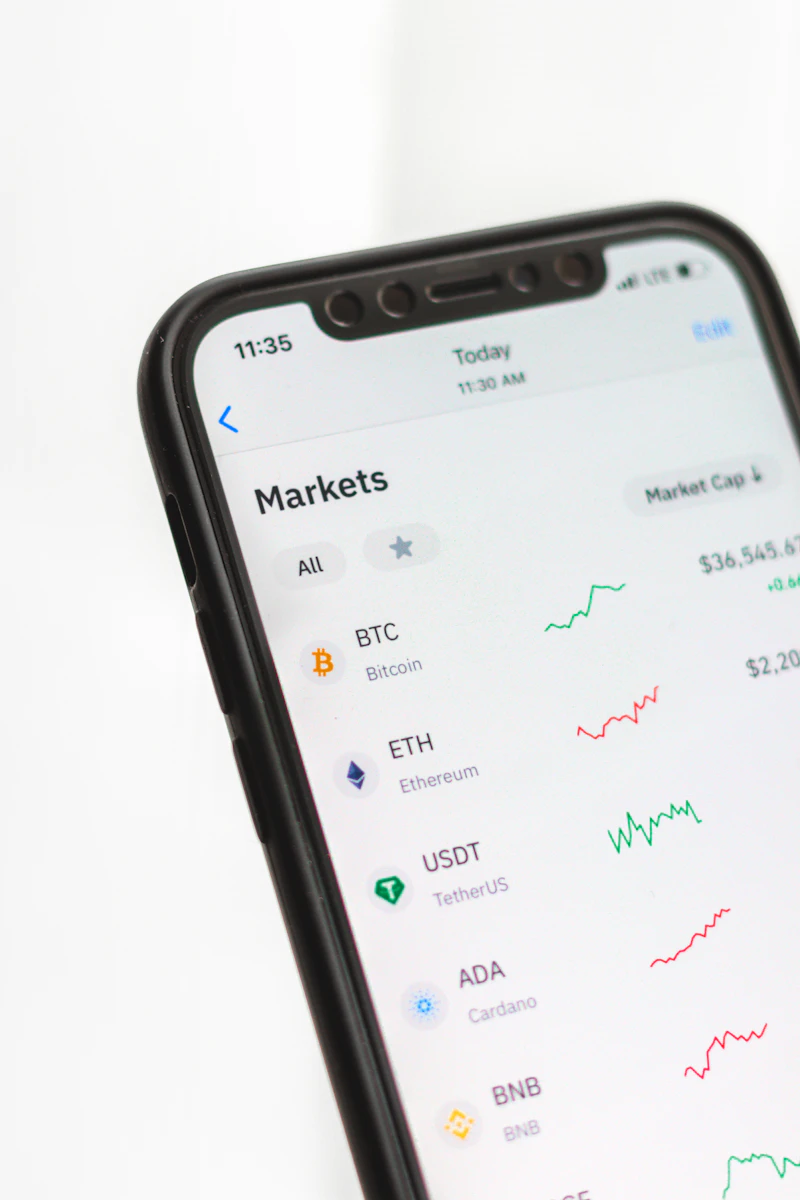
Can I advertise cryptocurrency, exchanges, and wallets?
An exchange ad is not merchant-acceptance. Meta permission, Google’s FinCEN and ICO bans, hardware wallets that cannot buy/sell, TikTok’s licensed 18+ row.

Can I advertise to children, teens, or on Made for Kids content?
A toy ad to parents is not a child-directed ad. Teens vs Made for Kids vs YouTube Kids, COPPA, and TikTok’s no-minors-in-creative rule.
Why is my TikTok ads account suspended or restricted?
A rejected Spark Ad is not Poor Account Health. Attention Needed vs Restricted vs suspended, the 30-day window, and the 180-day appeal clock.

Can I bid on a competitor’s trademark in Google, Meta, and TikTok ads?
Keywords are not ad text. Google generally allows trademark keywords, then may restrict competitor use in the RSA after an owner complaint.

What is Google Ads advertiser verification?
Identity and transparency, not a policy strike. Admin-only tasks, 5-day reviews, pause deadlines, and why verification is required before some appeals.

Can I advertise dating apps on Meta, Google, and TikTok?
Permission first. Meta’s dating form, Google’s Dating and Companionship certificates, TikTok’s sales-rep path, and copy that still reads as hook-up.

Can I advertise rentals, home sales, and real estate listings?
A listing ad is not a sofa ad. Meta’s housing definition, Google’s US/Canada targeting lock, TikTok HEC, and copy that still fails after you declare the category.

Can I advertise jobs, hiring, and recruiting?
If the click is Apply, it is an employment ad. Meta’s definition, Google’s jobs targeting lock, TikTok HEC, and req copy that still discriminates.

How to run US political and issue ads on Meta, Google, and TikTok
Meta authorization and Paid-for-by lines, Google US Election Ads verification, and TikTok’s paid-political ban. Platform disclaimers do not replace FEC rules.

Can I advertise CBD, hemp, and cannabis products?
THC and flower are not topical hemp. Meta’s LegitScript path, Google’s CBD certification and marijuana ban, TikTok’s US 25+ topical row.
Can I advertise telehealth and prescription treatments?
A clinic brand ad is not an Rx ad. Meta authorization, Google’s US telemedicine and pharmacy certifications, and when naming a drug changes the ticket.

Why was my Google ad flagged for circumventing systems or cloaking?
AdsBot saw a clean page and people saw something else. Cloaking vs destination mismatch, spare accounts after a ban, and a crawler diagnostic.
Why is my Google Ads account suspended?
A disapproved RSA is not a suspended account. Egregious policies vs strikes, billing holds, the six-month appeal clock, and why a spare account usually fails.

Can I run dropshipping or affiliate ads?
The model is not banned. Impersonating a brand, selling what you cannot deliver, thin hops, and breaking the affiliate program’s own ad rules are.
Why is my Google ad limited, not disapproved?
Limited ad serving caps impressions while ads stay Eligible. How it differs from a policy disapproval, 2026 Search/YouTube updates, and how to qualify.

Can I advertise beauty, skincare, and cosmetic procedures?
Creams and makeup are not Botox. Meta’s 18+ carve-out, TikTok’s no-medical-claim cosmetics rules, and how beauty copy differs from supplements.

Can I advertise gyms, personal training, and fitness programs?
A class pack is not a fat-burner. Meta’s wellbeing carve-out vs Google’s timeframe weight-loss examples — and when the thank-you page changes the policy.
Can I advertise sales, free shipping, and limited-time offers?
Google’s unavailable-offers and dishonest-pricing rules vs Meta/TikTok destination match. A logged-out cart diagnostic for promo claims.
Can I advertise loans, credit cards, and mortgages?
Meta’s Financial products SAC, Google’s 61-day / 36% APR personal-loan gates, TikTok HEC. Credit repair and payday are a different answer.

Why can’t I use remarketing on this Google ad?
Sensitive-interest categories block Customer Match and remarketing lists. US/Canada housing, jobs, and consumer finance have a separate demographic lock.

How to approve ads internally before they go live
Platform review is not your only gate. Who signs copy vs claims vs targeting, the policy order to walk, and what to keep when a live review disagrees.
Does my landing page have to match my ad?
Offer mismatch, broken URLs, pop-ups, and Google destination-domain fails are different problems. A logged-out mobile diagnostic for Meta, Google, and TikTok.

What are Meta Special Ad Categories?
Housing, employment, financial products, and politics. What you must declare, which targeting tools drop off, and how this differs from personal attributes.
How to appeal a rejected ad on Meta, Google, and TikTok
Edit first, then appeal only if the decision looks wrong. Official paths: Business Support Home, Google Policy manager, TikTok Disapproved.

Why is my Facebook ads account disabled or restricted?
A rejected ad is not a disabled account. How to tell whether Meta restricted the ad account, Page, user, or business — and the six-month clock.

Can I advertise supplements and wellness products?
Allowed product is not an allowed claim. Meta’s 18+ and body-shame rules, Google healthcare certification vs unreliable claims, TikTok’s country table.

Prohibited vs restricted ads: Meta, Google, and TikTok
Never-allowed products are not the same as permission-gated categories. Classify tobacco, alcohol, gambling, crypto, and health before you write the hook.

Can I use copyrighted music, UGC, and brand logos in ads?
Organic TikTok sounds are not a commercial license. Meta wants composition and master rights. Google treats trademark keywords differently from ad text.
Why was my TikTok ad rejected?
TikTok rejected the video? Instant results, before/after edits, “#1 on TikTok,” or a landing page that does not match the offer. Six reasons and how to resubmit.

Why was my Facebook image ad rejected?
Meta can approve the caption and still reject the image. Before/after photos, body crops, overlay that names the viewer, fake play buttons — and how to recut.

Why was my Google ad disapproved? Unreliable claims, misrepresentation, and destination mismatches
Read the Policy details label, then fix the RSA and the landing page — or the tracking URL. Three scored ads, Google’s own examples, and a resubmit checklist.
Can I use the same ad copy on Facebook, Google, and TikTok?
We scored the same ~80-word ads against Meta, Google, and TikTok policy pages. Same sentences, different failure modes — and rewrites that can run on all three.
Why was my Facebook ad rejected? 12 common reasons and how to fix them
The most common reasons Facebook and Meta ads get rejected — and how agencies can pre-flight ad copy and landing pages to avoid it.
Stay ahead of policy changes
Get a weekly digest of platform policy updates and compliance tips delivered to your inbox.
© 2026 LaunchGuarding. All rights reserved.